What Are Endometrial Polyps?
- 1.The impact of endometrial polyps on pregnancy preparation
According to previous literature, the prevalence of endometrial polyps is approximately 10%.
However, among women undergoing infertility treatment, especially those receiving assisted reproductive treatment such as IVF, the prevalence may be higher. Some studies have reported rates as high as 20% to 30%.
Therefore, for women preparing for pregnancy, endometrial polyps may be one of the possible causes of infertility.
- 1.Interfering with embryo implantation:
Endometrial polyps may affect the location and environment for embryo implantation. Because the polyp itself occupies part of the uterine cavity, it may interfere with the implantation of the fertilized egg, especially when the polyp is located in the upper part of the uterine cavity, near the opening of the fallopian tubes. - 2.Changing the intrauterine environment:
Polyps may cause local inflammation or affect the response to hormones. These factors can alter endometrial receptivity, making it less favorable for embryo implantation and early embryo development. - 3.Causing irregular uterine bleeding:
Larger or multiple polyps may cause abnormal uterine bleeding, affecting menstrual regularity and reducing the chance of conception. - 4.Blocking sperm passage:
Polyps located near the cervix may interfere with sperm entering the uterus and affect the conception process. - 5.Causes, impact, and treatment of endometrial polyps
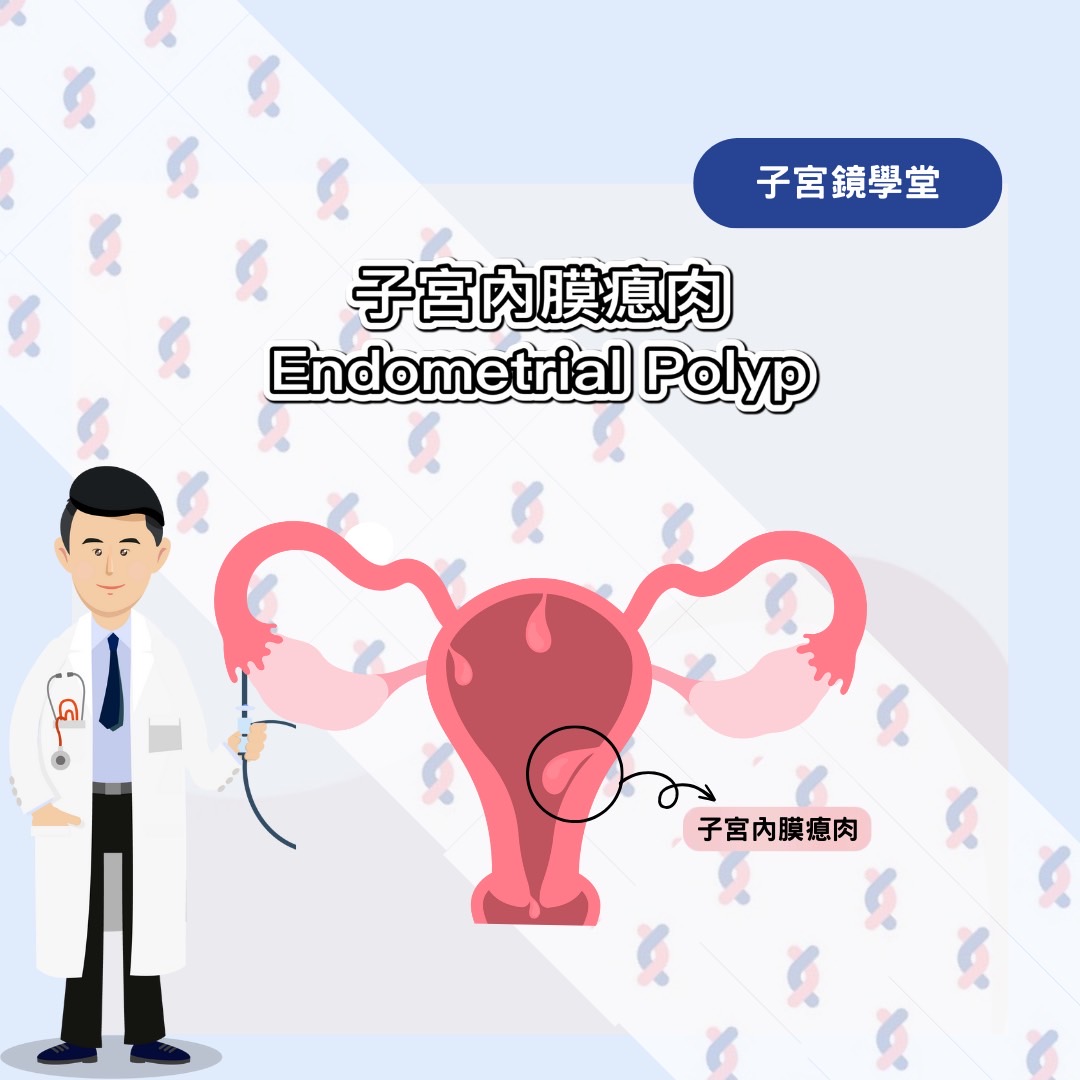
Endometrial polyps are localized overgrowths of endometrial tissue that usually protrude into the uterine cavity.
They can be identified through ultrasound or hysteroscopy.
They may be single or multiple, and their size can range from a few millimeters to several centimeters.
The exact cause is still unclear, but several known risk factors and related mechanisms include:
- 1.Hormonal imbalance:
The growth of the endometrium is controlled by estrogen. Excess estrogen may lead to abnormal endometrial growth and the formation of polyps. - 2.Obesity:
Obesity can increase estrogen levels in the body, thereby increasing the risk of developing endometrial polyps. - 3.Hypertension or diabetes:
These metabolic diseases may be associated with polyp formation, although the exact mechanism is not yet fully understood. - 4.Use of Tamoxifen:
Tamoxifen is a medication used to treat breast cancer. It may cause endometrial hyperplasia, thereby increasing the risk of polyps. - 5.Chronic endometrial inflammation:
Persistent inflammation of the endometrium may promote abnormal overgrowth of endometrial tissue, eventually leading to polyp formation. - 6.Family history and genetic factors:
Some studies suggest that patients with a family history of endometrial polyps or other uterine-related diseases may have a higher risk of developing polyps. - 7.Although most endometrial polyps are benign, they may sometimes cause irregular uterine bleeding, infertility, and other problems. Some polyps may also carry a risk of malignant transformation. Therefore, appropriate diagnosis and treatment are recommended after detection.
References:
Muller, S. M., et al. 2015. Endometrial polyps: A review of their prevalence, risk factors, and impact on fertility. Gynecological Endocrinology.
Pacheco, L. A., & Garcia-Velasco, J. A. 2011. Endometrial polyps and infertility: a systematic review.
Aubuchon, M., & Haines, C. 2018. Endometrial polyps: A review of their prevalence and the impact on fertility.
Khalid, S. M., et al. 2018. Endometrial polyps in infertility: A retrospective study. Journal of Obstetrics and Gynaecology.
BRCIVF wishes your dreams come true!